
Introduction
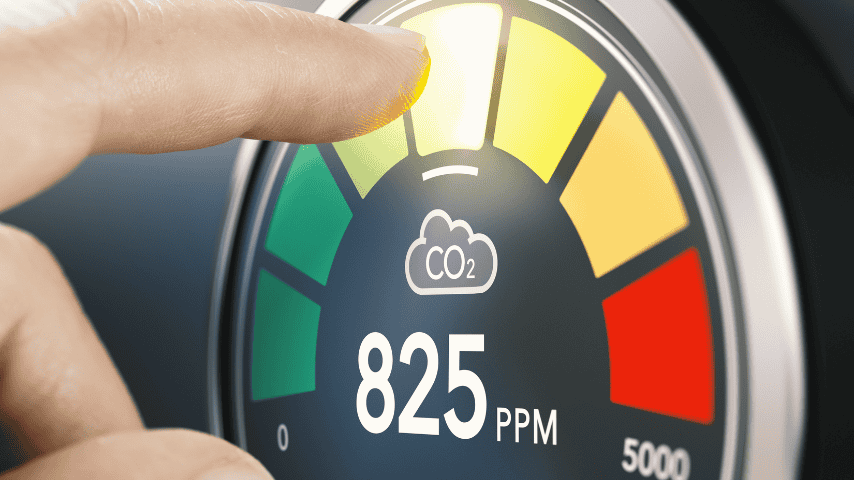
Indoor air quality (IAQ) has become one of the most critical factors in maintaining healthy, safe, and productive environments. While temperature and humidity control often receive the most attention, ventilation plays an equally vital role. Without proper ventilation, indoor spaces can accumulate pollutants, stale air, and excess moisture, creating risks for both people and processes.
Why Ventilation Matters
Ventilation is the process of exchanging indoor air with outdoor air to dilute and remove contaminants. In enclosed spaces, pollutants such as carbon dioxide, volatile organic compounds (VOCs), dust, and biological contaminants like bacteria can build up quickly. Poor ventilation contributes to headaches, fatigue, and respiratory problems while also impacting concentration and performance.
Types of Ventilation Systems
Ventilation can be natural or mechanical. Natural ventilation relies on openings like windows and vents to allow airflow, but it is often inconsistent and weather-dependent. Mechanical ventilation, through systems such as air handling units (AHUs) or dedicated outdoor air systems, ensures a controlled supply of fresh air. These systems also filter particulates and regulate humidity, improving both comfort and safety.
Impact on Energy Efficiency
One of the challenges of ventilation is balancing air quality with energy consumption. Bringing in outdoor air means additional heating, cooling, or dehumidification loads. Modern ventilation systems address this through technologies like energy recovery ventilators (ERVs) and demand-controlled ventilation. These solutions reduce energy waste by reusing thermal energy from exhaust air while maintaining a continuous flow of fresh air.
Ventilation in Specialized Environments
Certain industries depend heavily on precise ventilation. For example, pharmaceutical and food manufacturing require strict air cleanliness to prevent contamination. Data centers rely on ventilation to maintain optimal equipment performance and prevent overheating. Even office spaces are increasingly adopting advanced ventilation solutions to support employee well-being and meet sustainability certifications.
Conclusion
Ventilation is not just about moving air—it’s about creating healthier, more efficient, and compliant indoor environments. By understanding the science behind ventilation and applying the right technologies, businesses can protect both their people and their assets. In modern building design, ventilation is no longer optional—it’s an essential pillar of indoor air quality management.