
Introduction
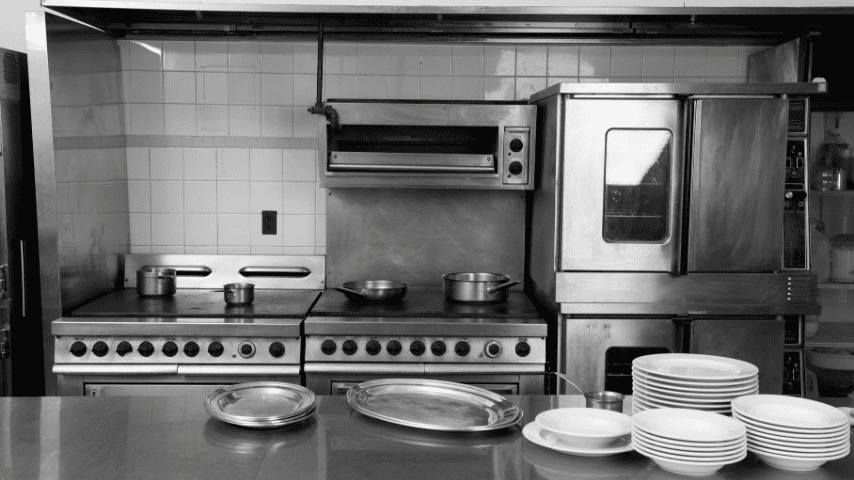
Commercial kitchens are high-intensity environments where heat, smoke, grease, and odors are constantly produced. Without proper ventilation, these by-products can accumulate, creating unhealthy working conditions and potential fire hazards. A well-designed kitchen exhaust system is essential for maintaining safety, hygiene, and air quality in food preparation areas.
Why Kitchen Exhaust is Essential
Cooking generates airborne grease particles, steam, and combustion gases. If not removed, these contaminants settle on walls, ceilings, and ductwork, leading to hygiene problems and increased fire risks. Exhaust systems capture and remove these pollutants directly at the source, ensuring that indoor air remains safe and breathable.
How Exhaust Systems Work
A typical system consists of exhaust hoods, ductwork, filters, and fans. The hood captures smoke and grease-laden air, which passes through filters that trap particulates. Fans then extract the air outside the building, preventing recirculation of harmful contaminants. Advanced filtration units can also neutralize odors and reduce environmental impact.
Energy Efficiency and Compliance
Modern kitchen exhaust systems integrate grease filtration, odor control, and energy recovery technologies. This not only improves performance but also reduces operating costs. Compliance with fire safety standards and hygiene regulations is another critical benefit, ensuring that kitchens meet industry and legal requirements.
Applications Across Sectors
- Restaurants and Cafés: Maintain hygiene, comfort, and safety for staff and customers.
- Hotels: Support high-capacity kitchens with continuous operation and reliable exhaust performance.
- Industrial Kitchens: Handle heavy-duty cooking loads in canteens, catering units, and factories.
- Hospitals: Ensure sterile environments by controlling air pollutants in healthcare food preparation areas.
- Schools and Universities: Provide safe cooking spaces for cafeterias and student dining halls.
- Food Processing Units: Prevent cross-contamination and ensure compliance with strict hygiene standards.
Conclusion
Kitchen exhaust systems are more than just ventilation—they are vital components of health, safety, and efficiency in food service operations. By integrating advanced filtration and energy-efficient technology, businesses can maintain clean, safe, and compliant kitchen environments while lowering long-term operational costs.