
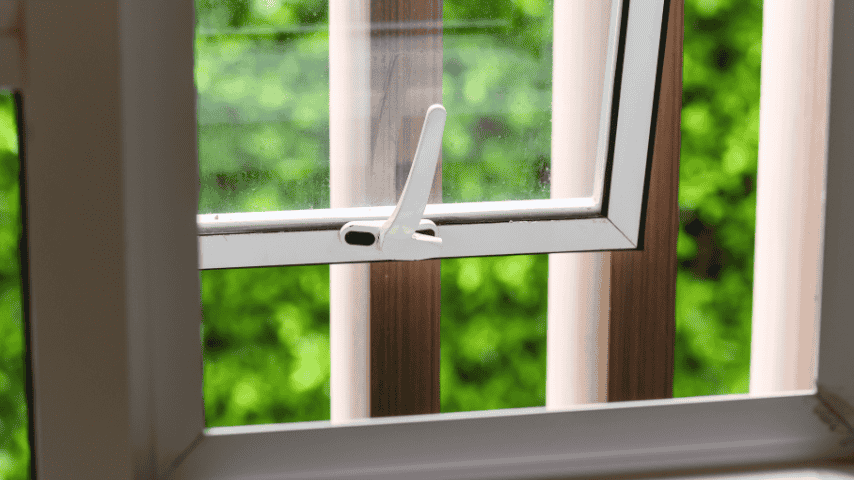
Ventilation is overlooked. A well-designed ventilation system is critical to ensure that occupants remain healthy and comfortable, even in airtight, energy-efficient buildings.
Why Ventilation Matters
Energy-efficient buildings are often tightly sealed to minimize heat loss or gain. Without proper ventilation, indoor pollutants such as carbon dioxide, VOCs, dust, and moisture can accumulate. Poor ventilation can lead to “sick building syndrome,” causing fatigue, headaches, and decreased productivity among occupants. Proper airflow ensures that contaminants are diluted and fresh air is consistently introduced.
Types of Ventilation Systems
- Natural Ventilation: Uses windows, vents, and openings to promote airflow but may be weather-dependent.
- Mechanical Ventilation: Employs fans and ducts for controlled, consistent air exchange.
- Hybrid Systems: Combine both natural and mechanical methods to optimize energy use and comfort.
- Energy Recovery Ventilators (ERVs): Capture heat or cooling from exhaust air to reduce energy waste.
Balancing Efficiency and Comfort
Ventilation must be carefully balanced with energy efficiency goals. Advanced systems with sensors, variable-speed fans, and heat recovery functions help minimize energy loss while maintaining optimal indoor air quality. For example, demand-controlled ventilation adjusts airflow based on occupancy levels, preventing unnecessary energy use.
Applications Across Industries
- Residential: Prevents moisture buildup, mold, and allergens in homes.
- Commercial: Supports healthier workplaces, increasing productivity and well-being.
- Healthcare: Maintains sterile conditions in operating rooms and patient care areas.
- Industrial: Removes hazardous fumes and airborne contaminants from production spaces.
- Educational Facilities: Ensures clean air for learning environments, reducing absenteeism.
Conclusion
Ventilation is a cornerstone of sustainable building design. By integrating advanced ventilation strategies, energy-efficient buildings can achieve both environmental goals and occupant well-being. Facilities that prioritize ventilation not only comply with modern standards but also enhance health, comfort, and operational performance.