
Maintaining proper indoor humidity is not just about comfort; it is a critical factor in preserving building materials, ensuring equipment reliability, and protecting human health. Relative humidity (RH) plays a direct role in how we feel, how materials behave, and how energy is consumed in climate control systems. Understanding the technical principles of humidity management is essential for designing efficient and sustainable indoor environments.
Why Humidity Matters
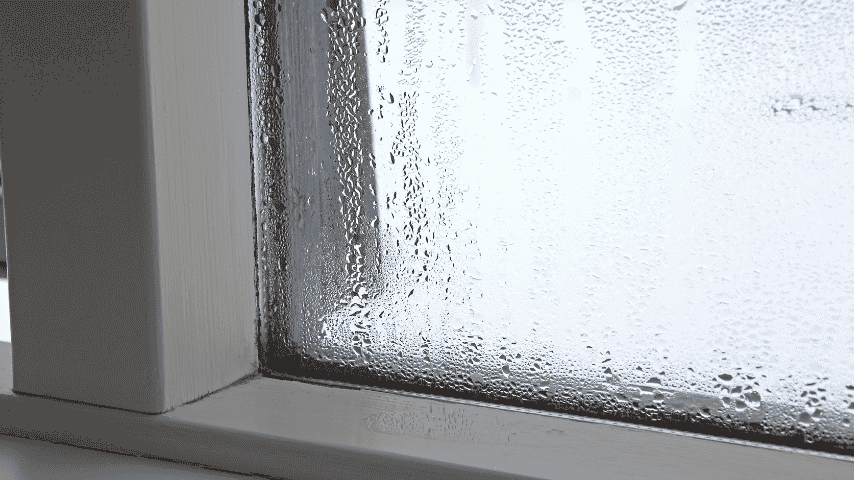
Air naturally contains water vapor, and the amount it holds depends on temperature. When warm air cools, its capacity to retain moisture decreases, often leading to condensation. This simple principle has major consequences indoors. Excess moisture can encourage mold growth, corrosion, and microbial contamination. On the other hand, air that is too dry can cause discomfort, static electricity, and damage to sensitive materials like paper, textiles, and electronics. Achieving the right balance is therefore a matter of engineering precision.
Psychrometrics and Indoor Air
Psychrometrics is the science that studies the thermodynamic properties of moist air. Engineers use psychrometric charts to analyze relationships between temperature, humidity, dew point, and enthalpy. For instance, a room maintained at 24°C with 50% RH will feel comfortable to most occupants, while ensuring that condensation does not occur on surfaces. These calculations also allow engineers to predict how much energy will be required for heating, cooling, humidifying, or dehumidifying air.
Impact on Energy Efficiency
Humidity control has a direct impact on energy use in buildings. Air that is too humid increases the cooling load on HVAC systems because dehumidification requires additional energy. Conversely, very dry air in heated environments can lead to the unnecessary use of humidifiers. Striking the right balance between temperature and moisture not only ensures occupant comfort but also minimizes energy waste. Modern climate control strategies increasingly integrate humidity management to optimize overall system efficiency.
Industrial and Commercial Applications
Beyond comfort, humidity control is critical in technical applications. Warehouses storing hygroscopic products such as grains, powders, or pharmaceuticals must maintain strict humidity levels to prevent spoilage or clumping. Data centers require precise control to prevent static discharge while avoiding condensation on electronic equipment. Museums and archives use humidity regulation to preserve artworks, manuscripts, and historical artifacts. In all these cases, technical expertise in air treatment ensures long-term reliability and compliance with standards.
Toward Smarter Humidity Management
The future of indoor humidity control lies in smart, integrated systems. Advances in sensors and IoT technology allow continuous monitoring of temperature and RH, enabling automated adjustments in real time. Predictive algorithms can forecast humidity fluctuations based on outdoor weather patterns and internal load variations, allowing proactive adjustments. This reduces energy consumption while maintaining optimal conditions for both people and equipment.